Manage Atmosphere in Ostranauts
Pressure, O2, scrubbers, airlocks, and alarms that fail quietly
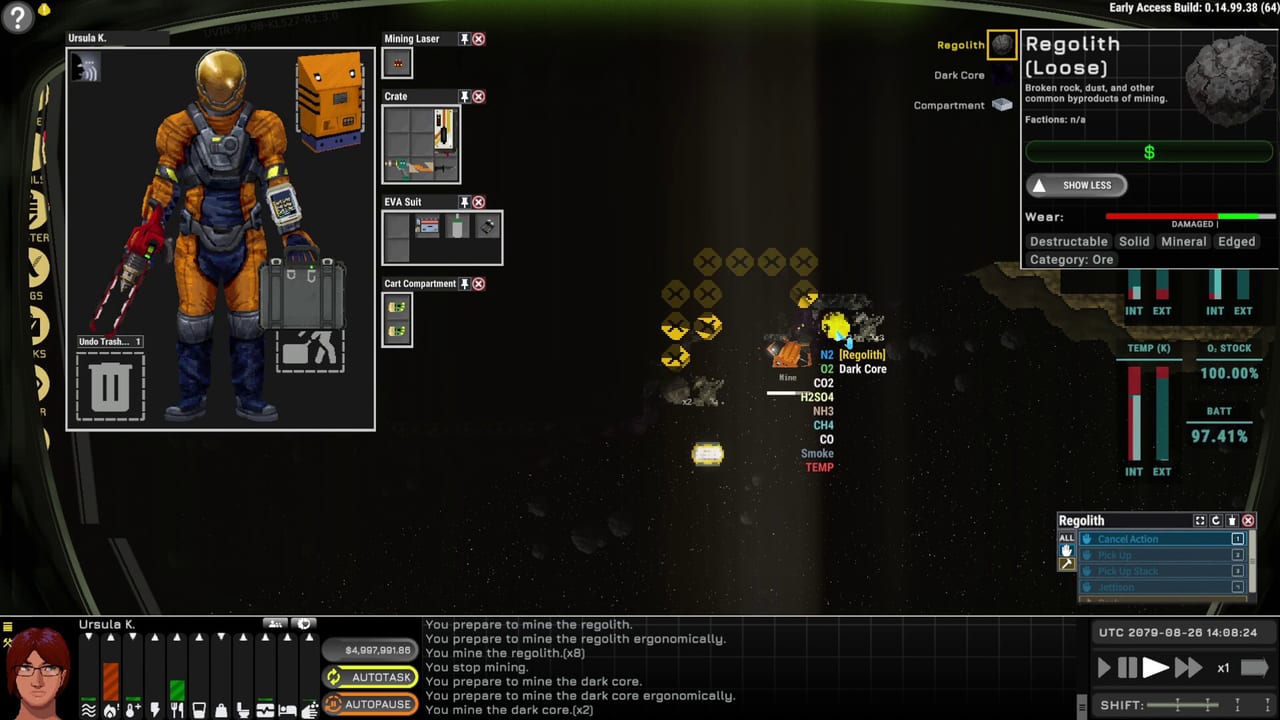
Atmosphere kills more captains in Ostranauts than pirates. Blue Bottle Games models pressure, gas mixtures, leaks, and scrubber load as first-class systems — not background flavor. A hull breach during How to Salvage EVA, a forgotten airlock cycle, or a dead pump after undock can end a run before mortgage default even matters.
This guide covers airtight integrity, O2 targets near 20 kPa, nitrogen buffering, CO2 scrubbing, pumps, alarms, airlocks, EVA suits, and hypoxia response. Use the atmosphere checklist tool whenever you add rooms or install salvaged gear.
Airtight hull and room boundaries
Every habitable volume must be airtight. Doors, hull plates, and conduit penetrations can leak if:
- Panels were removed during Ship Building and never resealed.
- Salvage uninstall orders left ghost gaps in the grid.
- Micrometeorite impacts or dock scrapes fractured outer tiles.
Walk your ship in docked safety with the atmosphere overlay enabled. Red or yellow zones indicate active leaks or unpressurized sections. Fix structure before you tune gas chemistry — pumping O2 into open space is expensive performance art.
O2, N2, and target pressure
Breathable mixes center on oxygen near 20 kPa partial pressure in a typical Earth-like mix, with nitrogen making up the remainder toward roughly one atmosphere total depending on your configuration. Exact numbers vary by ship design, but the gameplay goal is stable breathable bands — not heroic over-oxygenation.
O2 sources include tanks, electrolyzers, and station refill hooks at OKLG. N2 stabilizes pressure swings when crew breathe or doors cycle.
Watch both partial pressure and total pressure. A hold can look “full” while O2 fraction is lethal if N2 vented during a botched equalization.
Pumps, scrubbers, and CO2
Crew exhale CO2. Without scrubbers, concentration climbs until headaches become unconsciousness. Standard loop:
- Pumps move gas between rooms or to buffer tanks.
- Scrubbers remove CO2 and sometimes other contaminants.
- Filters handle particulates and smoke from fires or cutting torches.
- Alarms chirp when thresholds cross — if powered and wired.
Power loss darkens scrubbers silently. After any reactor trip, check life support before you resume How to Fly and Dock maneuvers. The life support parts catalog lists component roles and common salvage finds.
Airlocks and equalization
Airlocks exist to change pressure in steps. Correct use:
- Confirm which side is vacuum before you open the inner door.
- Cycle pumps to equalize when docking to pressurized berths at OKLG.
- Never wedged-open doors “for convenience” — that bypasses zoning and vents entire decks.
Salvage crates from vacuum wrecks may off-gas or carry low-O2 volumes. Isolate cargo bays with independent scrubbers when hauling unknown atmospheres.
EVA suits and spacewalk discipline
EVA suits are portable life support. Before every exterior job:
- Check bottle pressure and suit integrity.
- Tether to the hull or ship superstructure.
- Assign a watcher on ship comms when solo.
Suit failure during uninstall is a common death pay trigger if crew are involved — see Hire Crew. Keep a spare suit staged near the primary airlock.
Hypoxia, fires, and emergency response
Hypoxia symptoms escalate fast: blurred UI cues, stumbling movement, then blackout. If alarms sound:
- Seal the affected zone if possible.
- Restore power to scrubbers and pumps.
- Inject O2 from buffer tanks if available.
- Move crew to a pressurized safe room.
Fires consume O2 and raise temperature. Cutting torches inside unscrubbed salvage bays cause preventable tragedies — vent to vacuum only when crew are clear and equipment tolerates it.
Integration with salvage and builds
Salvaged pumps and scrubbers often need repair before trust — cross-check How to Salvage condition rules. Expanding hull volume without adding scrubber capacity suffocates larger crews overnight.
Plan upgrades on the Builds hub: redundant scrubbers beat a third cargo slot if you run multi-crew shifts. Getting Started assumes you verify atmosphere before first undock.
Tools and references
- Atmosphere checklist — pre-flight and post-refit verification
- Systems hub — deeper economy and part interactions
- Controls — alarm ack and door macros via keybinds
- Rescue When Stranded — if life support fails mid-transit
- Review — 1.0 atmosphere difficulty versus Early Access
Frequently Asked Questions
Quick answers for spacers who want to stay alive.
What O2 pressure should I target in Ostranauts?
Aim for breathable mixes with oxygen partial pressure around 20 kPa in a stable nitrogen-backed atmosphere. Exact totals vary by ship, but sudden drops or CO2 spikes kill faster than small drift.
Why is my ship losing air at OKLG?
Search for unsealed hull tiles, open conduit gaps, or airlocks left cycling. Run the atmosphere checklist after any Ship Building or salvage install session.
Do scrubbers need power all the time?
Yes. Unpowered scrubbers stop removing CO2 while crew keep breathing. After reactor trips, restore life support power before undocking or starting long EVA shifts.