How to Salvage in Ostranauts
Permits, survey, uninstall, haul, and sell without losing margin to damage
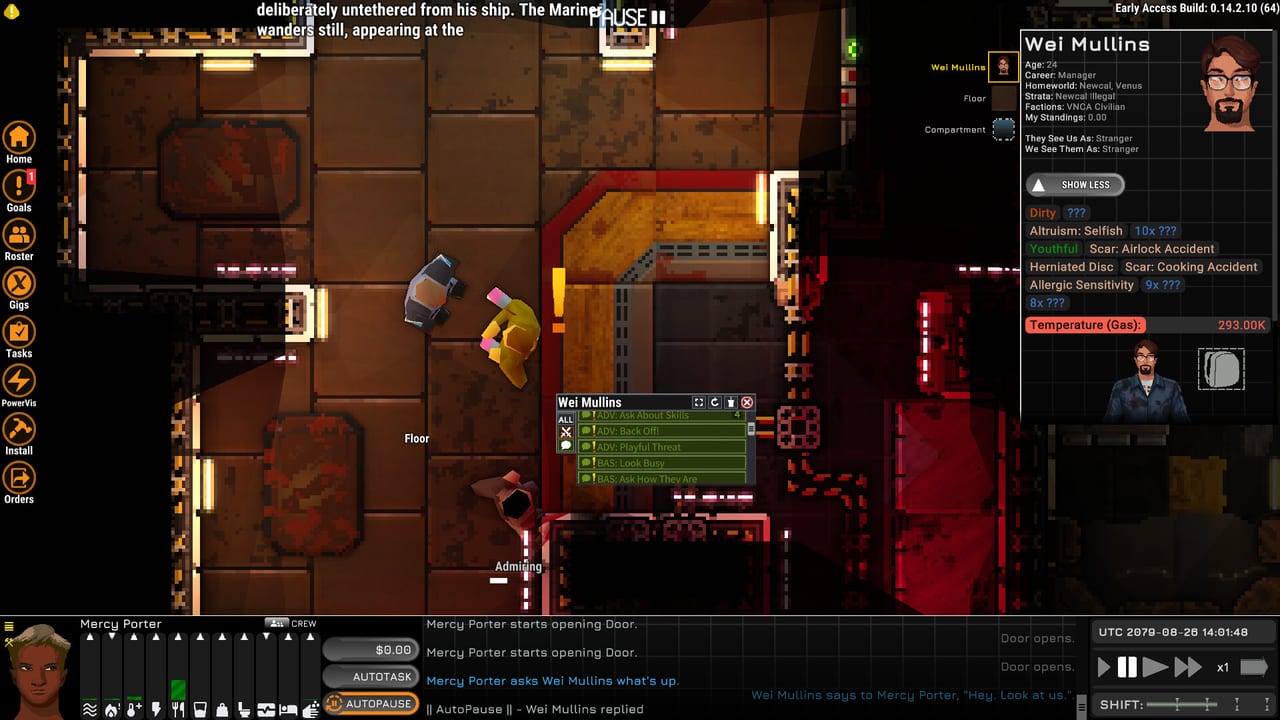
Salvage is the economic engine of Ostranauts. Blue Bottle Games built a noir loop where mortgage payments tick every six-hour shift while you scramble for cash in the OKLG boneyard. Flying matters — see How to Fly and Dock — but profit lives in what you uninstall, how you haul it, and whether you repair before selling.
This guide covers daily permits, the survey → uninstall → haul → repair pipeline, valuable components, condition checks, and where to read pricing context.
Permits and the OKLG boneyard
Legal salvage near the home station requires a daily permit, typically around $5000 per day in the OKLG market. That fee is fixed overhead: you pay it whether you strip one capacitor or ten hull sections. Plan shifts so permit cost is spread across multiple high-value pulls, not a single wrench turn.
The boneyard is a graveyard of derelicts — stripped hulks, collision victims, and abandoned tugs. Permits gate which volumes you may work and how aggressively station security tolerates your EVA. Skimping on permits invites fines that erase a good run.
Read the salvage economy page for vendor buy bands, mortgage pressure, and how shift timing interacts with permit days.
Survey before you cut
Never EVA with a plasma cutter and hope. Survey the wreck first:
- Identify intact modules — nav consoles, reactors, pumps, scrubbers, and rare avionics.
- Note hull breaches that will vent your suit line if you drill the wrong deck.
- Map cable and conduit paths so uninstall orders do not orphan powered tools mid-job.
Use suit lamps and the wreck’s own power if any bus still live. Tumbling hulks demand matched rotation from your ship — park with low VREL before you spacewalk.
Uninstall, haul, and repair
Uninstall orders remove components into portable crates or direct ship cargo depending on mass and tools. Heavy sections may need winches, cutting gear, or multiple trips — consult the salvage tools checklist before departure.
Haul decisions define margin:
- Whole rooms cost fuel and clamp time but sell high if intact.
- Loose components fit smaller ships but flood cargo fast.
- Scrap on site when resale minus fuel is negative.
Repair before sale when vendors penalize damaged goods. A cracked pump sold “as-is” can be worth less than the EVA hours you spent removing it. Station workshops and onboard tool benches each have limits; know which fixes are economical.
Valuable parts and condition
Prices shift with station demand, but experienced captains prioritize:
- Life support — O2 pumps, scrubbers, CO2 filters (life support parts catalog).
- Power — reactors, batteries, transformers still within wear tolerances.
- Avionics — transponders, antennas, nav consoles (powers COMMS docking).
- Propulsion — thruster packs and torch components when you find them intact.
Always inspect condition icons before hauling. Cosmetic damage may be cheap to fix; structural or electrical faults may not. Compare repair material cost against quoted resale on the salvage economy charts.
Shift planning and mortgage math
Each six-hour shift deducts mortgage if you financed your hull. A salvage day is not “permit plus profit” — it is:
permit fee + shift mortgage + fuel + crew death pay reserve + repair consumablesversus sale proceeds. Two mediocre wrecks beat one perfect uninstall if the second wreck sits one kilometer away and your permit clock expires at midnight.
If you are still learning flight, budget extra shift time for redock at OKLG before you lose atmosphere to a rushed berth. Getting Started outlines the first profitable week; Ship Building explains cargo expansions when you outgrow a starter bay.
Safety and atmosphere
Salvage wrecks are hostile environments: leaking coolant, dead CO2 scrubbers, and sharp debris. Run Manage Atmosphere principles on your ship before you bring contaminated crates aboard. Use the atmosphere checklist after you install salvaged pumps or hull patches.
Bring spare EVA suits if crew accompany you — death pay triggers on fatalities. Hire Crew covers contracts; crew AI covers autonomous help during hauls.
When salvage goes wrong
Fuel exhaustion, clamp misalignment, or a torn suit mid-haul strand captains regularly. Rescue When Stranded documents PASS/taxi and nav Rescue options before you consider debug recovery.
For build planning — larger cargo doors, fusion torch range — visit the Builds hub and Map for stations that pay premium buy prices.
Related pages
- How to Fly and Dock — reaching wrecks safely
- Character Creation — careers that start with salvage skills
- Updates — economy tweaks after 1.0
- Review — how the boneyard feels at launch
Frequently Asked Questions
Quick answers for spacers who want to stay alive.
How much do OKLG salvage permits cost?
Budget roughly $5000 per in-game day for legal salvage permits at OKLG. Spread that cost across multiple high-value uninstalls in the same permit window to protect margins.
Should I repair parts before selling?
Often yes. Vendors discount damaged goods heavily. Compare repair time and material cost against the quoted intact price on the salvage economy page before you haul junk.
What tools do I need for my first salvage EVA?
Use the salvage tools checklist before undocking. At minimum, plan cutting gear, tether discipline, cargo routing, and spare suit oxygen for unexpected hull vents.